Facades
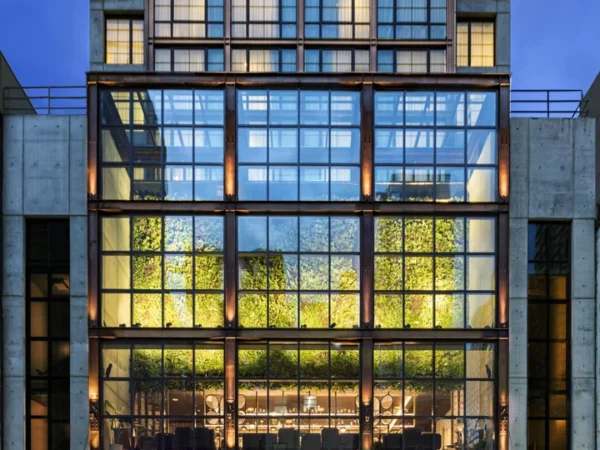
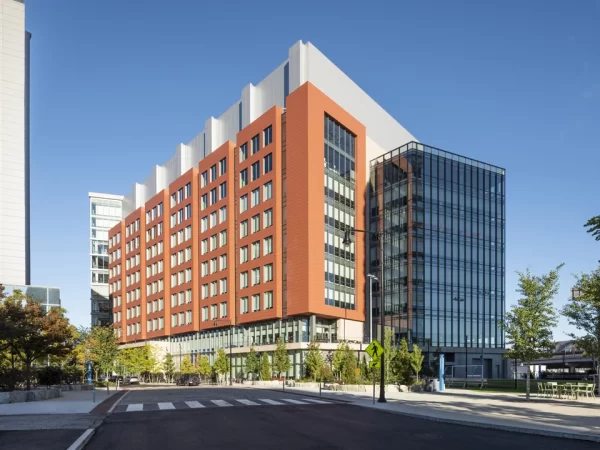
A façade is an expression of the architecture, shaped by decisions in color, finish, scale, pattern, depth, and material. Pure + FreeForm brings those variables together through high-performance aluminum finishes and wall systems designed to support a wide range of architectural ideas. From the first impression to the details of the specification, we love having the opportunity to help you create a façade that works as a complete composition.
From the relationship between form and finish to the lasting impact of material choices, every element plays a role in the overall façade design. Explore how these considerations work together, how different finishes influence architectural expression, and how to select the right wall system to bring your vision to life.

What goes into designing a facade?
01 / Form, finish, and everything in between.
Metal facade design is never one decision, but rather combining many elements to fit your design needs. Color and texture establish the material character. Panel size and repeat determine scale and rhythm. Depth and profile introduce shadow. Finish changes the way the surface responds to light, distance, and movement.
02 / Simple form, expressive finish.
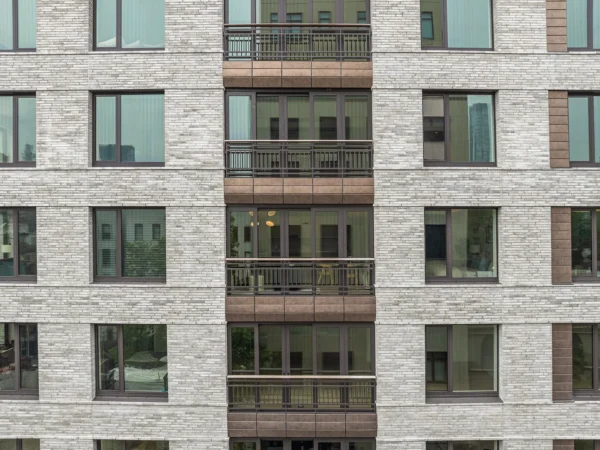
A restrained building form can create room for greater expression at the surface. Pattern, transitional color, texture, or tighter repeat can bring another layer to a simple form.
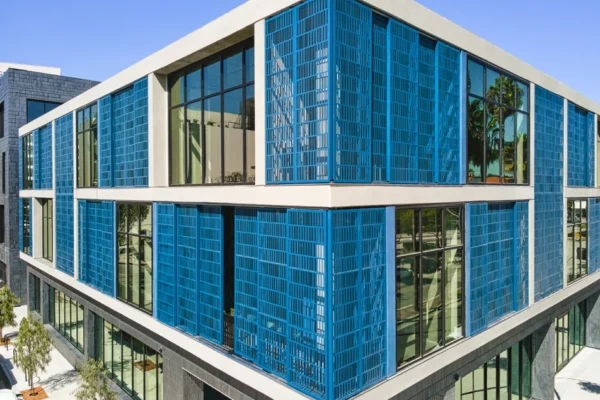
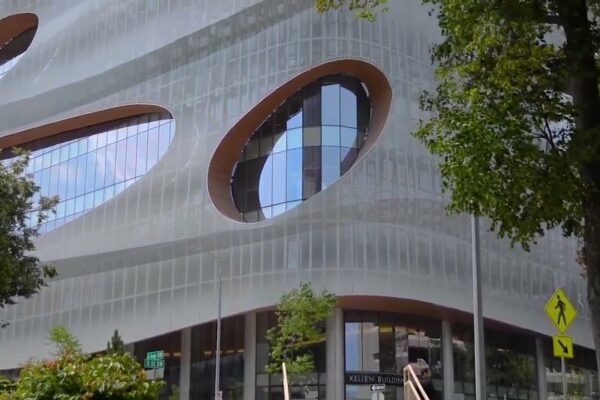
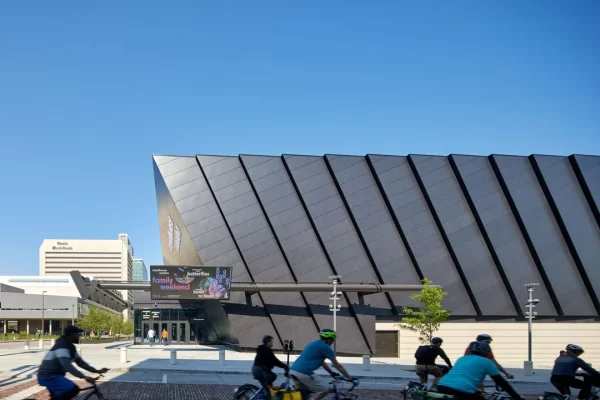
03 / Dynamic form, restrained finish.
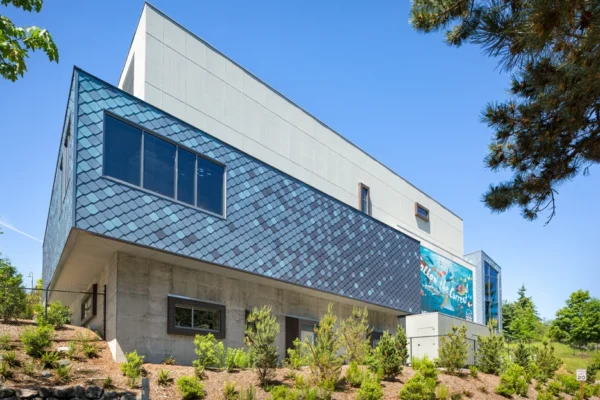
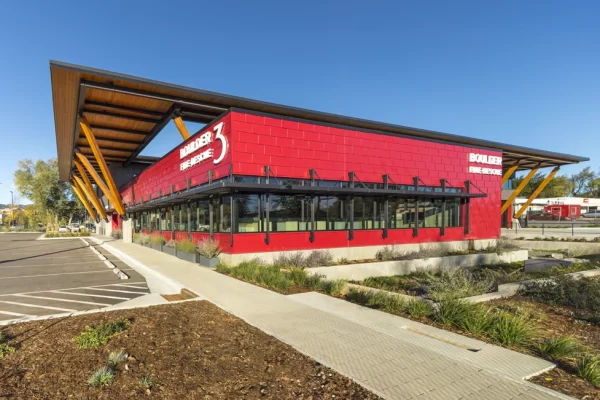
With more dynamic architecture, the material can take a quieter role. Larger formats and restrained finishes can create continuity across changing planes while allowing the form to remain prominent. Choosing the balance of structure and material character will help you create a truly unique and dynamic facade.
First Impressions and Lasting Impact
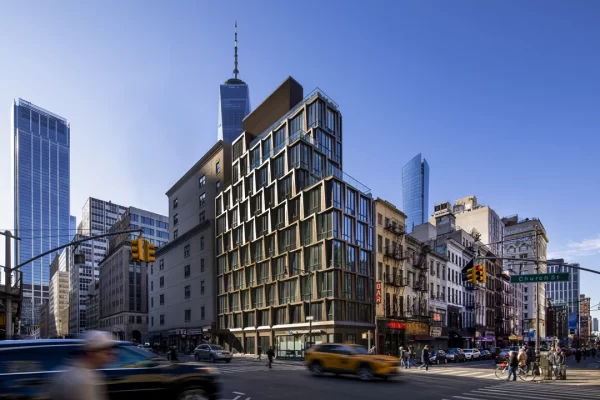
01 / Context is part of the material palette.
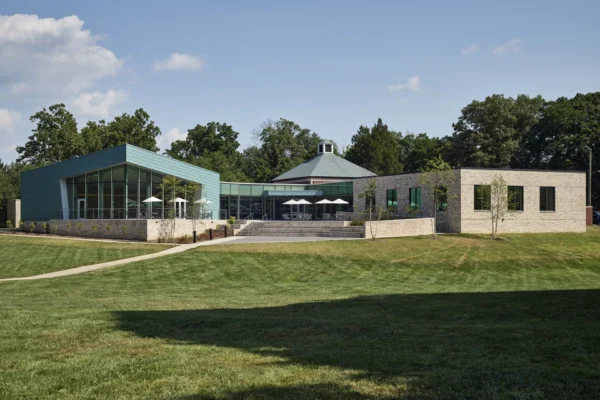
A facade can settle into its surroundings or intentionally stand apart from them. Color can reference neighboring materials, landscape, or regional character. Finish depth and reflectivity can respond to changing light. Panel scale and orientation can reinforce proportions already present in the architecture or introduce a new rhythm.
02 / Complement the Context
You’ve worked hard to create a structure that fits perfectly to its surroundings. Pure + FreeForm gives you the tools so you can design a façade that lands exactly where you want it to on the scale from blending in to standing out.
03 / Designed for the first look. Considered for what comes after.
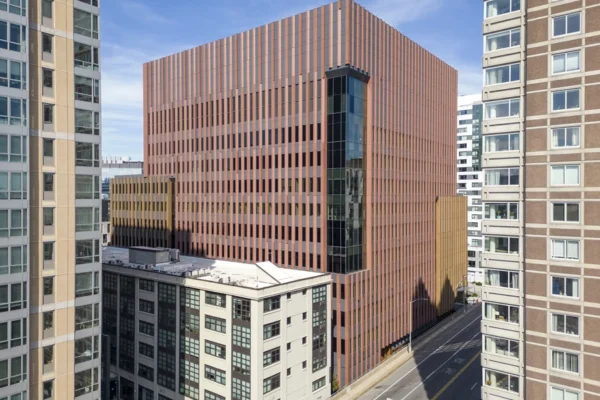
The façade is the first encounters with a building. From a distance, color and form establish its presence. As the building is approached, panel scale, texture, joints, depth, and finish become more apparent. What reads as a continuous surface from across the site reveals another level of detail up close.
You’ve carefully considered each of these details when designing the facade. You will want to be sure your hard work is built to last. Pure + FreeForm high-performance aluminum finishes are developed for demanding exterior environments, pairing architectural expression with long-term color and finish performance.
04 / A Lasting Approach to Material Selection
Aluminum also brings longevity to the material conversation. Durable, lightweight, and recyclable, it can remain in service for decades and return to the material stream at the end of its useful life. The result is a facade considered at more than one scale: how it looks on opening day, how it performs over time, and what becomes of the material when its role on the building is complete.
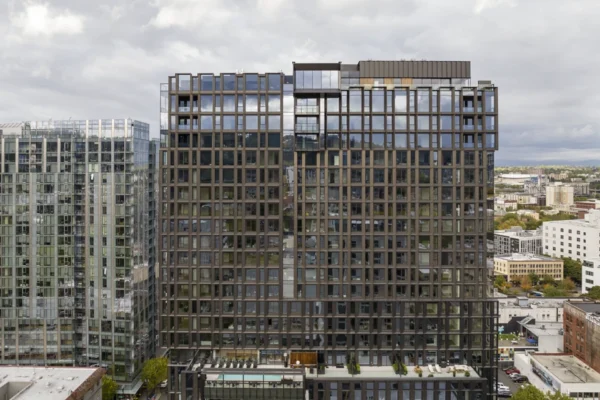
05 / Material that changes with the experience, not the expectation.
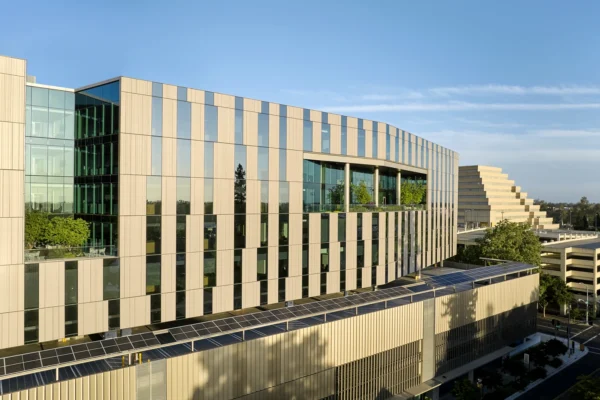
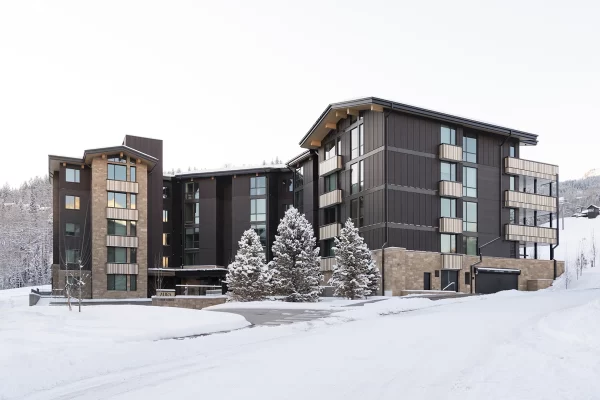
The perception of a metal facade is rarely static. Light moves. Viewing angles change. Metallic and transitional finishes reveal different qualities throughout the day. Texture becomes more apparent at close range, while pattern and color relationships emerge from farther away. These characteristics allow the facade to create a lasting impression without relying on a singular moment or view.
How to choose the right wall system
01 / Start with what is already decided.
By the time a wall system enters the conversation, a number of project requirements may already be established. You may already have a preferred panel size, fastener type, budget, lead time, finish, or other installation requirements. Those parameters can help narrow the options quickly. The remaining question is which system supports them without compromising the design intent. Pure + FreeForm wall systems provide different approaches to scale, profile, repetition, attachment, and material expression.
You’ve worked hard to create a structure that fits perfectly to its surroundings. Pure + FreeForm gives you the tools so you can design a facade that lands exactly where you want it to on the scale from blending in to standing out.
02 / When efficiency is a priority.
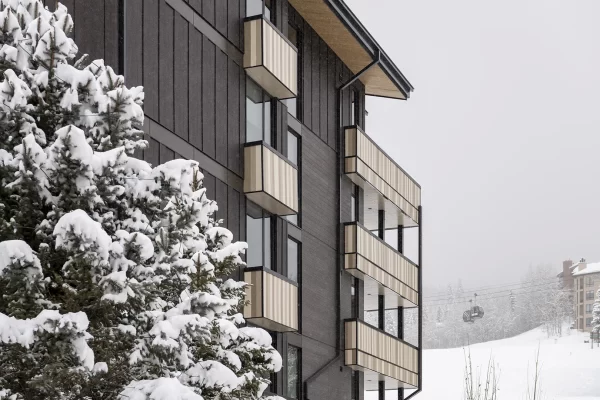
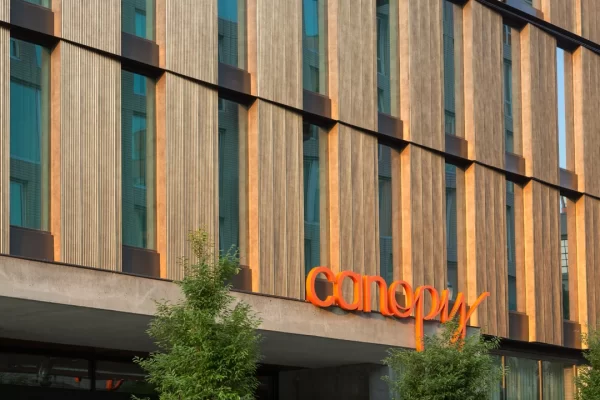
Planq™, Corrugations, and Scale™ provide cost-conscious approaches to introducing rhythm, texture, and repetition across the facade. These can utilize 1mm material making them Stocked Finish compatible that will save on cost and lead time.
A restrained finish can emphasize the rhythm of the panel. Transitional metal can introduce movement across the same repeated module. Each panel type creates a unique shadow pattern that adds visual interest to your façade.
03 / When the design calls for scale.
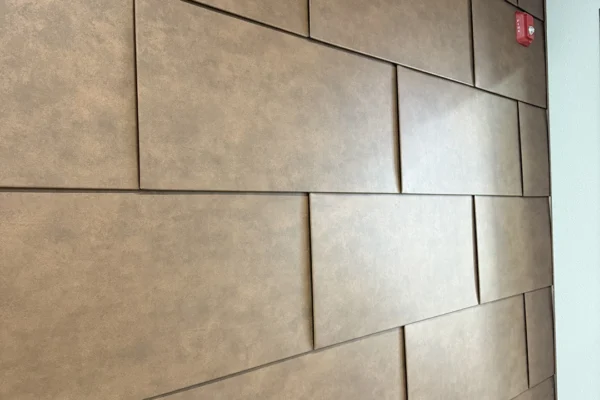
Forge™, Bond™, and Bolt™ offer the largest panel formats within the Pure + FreeForm wall system portfolio. These systems are best for matching the scale of larger buildings. Larger formats can create cohesion across an elevation, creating broader material surfaces and greater continuity across the facade.
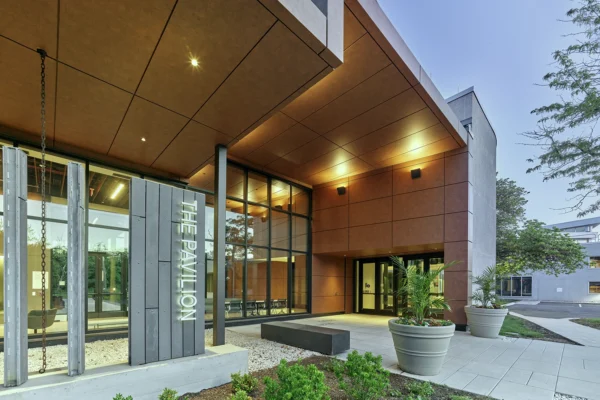
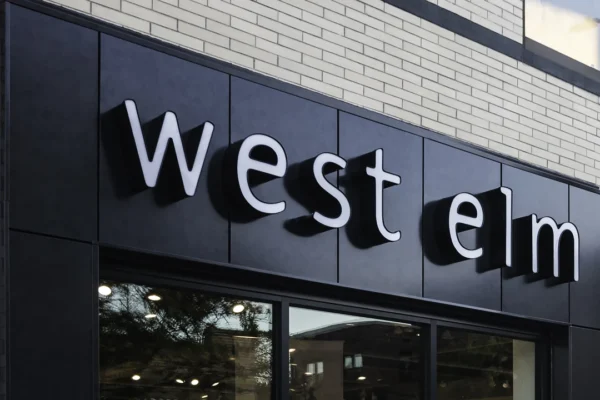
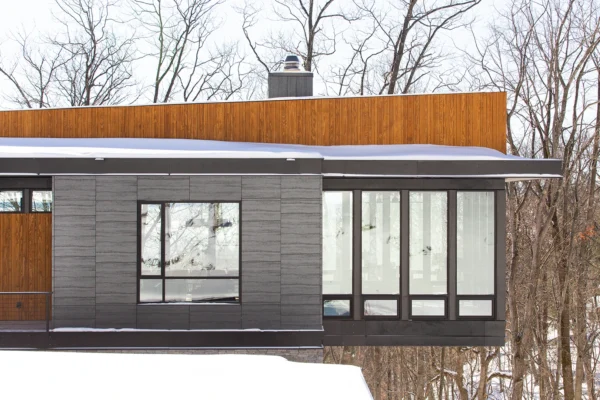
04 / When insulation is part of the assembly.
For glazed-in applications requiring an insulated panel, Pure + FreeForm offers a solution compatible with our stocked 1 mm finishes. Pairing the system with stocked material provides access to a broad finish palette while creating opportunities to manage cost and lead time.
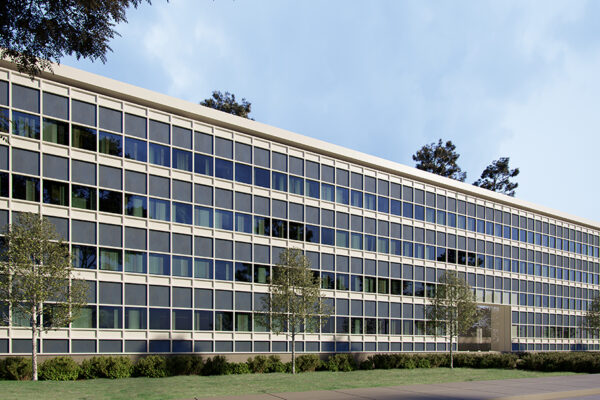
Bring Planq™ into the model.
Planq™ BIM files are also available to support earlier coordination between design intent and wall system specification.
Compare the systems.
The Pure + FreeForm Walls Catalog makes it easier to compare systems and identify the right starting point for a project.
Explore the digital catalog or request a physical copy for your material library.
Ready to Specify?
Check out our specification builder to be walked through our standard options and generate a finish schedule and 3-Part Spec.
Material Performance


Frequently Asked Questions
Aluminum facade panels offer a lightweight, durable, and versatile solution for exterior building applications. Aluminum is naturally corrosion-resistant, recyclable, and compatible with a wide range of architectural finishes. Pure + FreeForm’s high-performance aluminum finishes provide long-term color and finish performance while offering the appearance of materials such as wood, bronze, weathered steel, and stone.
Pure + FreeForm offers an extensive collection of architectural aluminum finishes, including woodgrain, metallic, bronze, brass, blackened steel, rust, and stone-inspired appearances. These finishes allow architects to achieve different material aesthetics while maintaining the durability and lightweight properties of aluminum. Finish selection can influence how a façade responds to natural light, surrounding architecture, and viewing distance.
Yes. Architectural aluminum panels can feature finishes inspired by natural wood, weathered steel, stone, and other materials. Pure + FreeForm’s high-performance aluminum finishes offer the visual character of these materials without requiring the same maintenance associated with many traditional surfaces. This allows architects to explore a broader material palette while maintaining consistent exterior performance.
Yes. Aluminum is well suited for exterior architectural applications due to its durability, corrosion resistance, and lightweight properties. Pure + FreeForm’s architectural aluminum finishes meet AAMA 2605 performance requirements, supporting long-term color retention and resistance to weathering in demanding exterior environments.
Panel size, orientation, and profile influence the scale, rhythm, and visual depth of a metal facade. Large-format metal panels can create a clean, continuous appearance, while smaller panels or corrugated profiles introduce repetition, texture, and shadow. Combining panel geometry with different aluminum finishes gives architects greater control over the building’s exterior expression.